

Every eye watches. Every symbol speaks.
The Turquoise Table is layered with imagery drawn from the ancient traditions of the Mediterranean and Middle East. The evil eye — the nazar — is the most universal of these: a protective symbol found in Türkiye, Greece, Lebanon, Palestine, Iran, and across the diaspora. You'll find it floating throughout our space and our site. Each color carries a different meaning. Each form tells a different story.
The Ten Eyes of the Turquoise Table
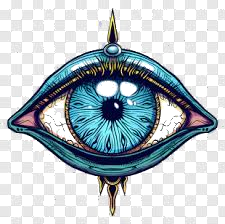
Our emblem. The turquoise evil eye is the primary protective symbol of the Mediterranean world — worn as jewelry, hung above doorways, painted on boats. Turquoise represents water, sky, and the divine.
- Protects against
- Envy, malice, the evil eye itself
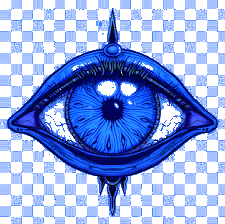
Deep cobalt blue is the color of the Aegean and Adriatic seas — of Greek island doors and Turkish mosaic tiles. The darkest blue evil eye is said to carry the deepest protection.
- Meaning
- Fate, karma, protection from fate's reversals
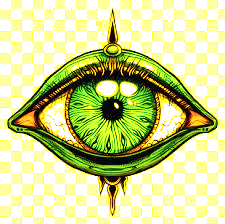
Gold represents the divine, royalty, and the illuminated consciousness. The golden eye appears in Islamic calligraphy, Byzantine iconography, and the sacred arts of Egypt. It sees all because it reflects the light of creation.
- Meaning
- Power, wisdom, the light of higher knowledge
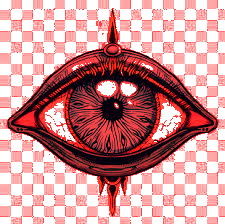
Red is the color of fire, passion, and the Sinners' side of our table. A red evil eye wards off danger through the energy of confrontation — it fights fire with fire. Bold, defiant, unmistakable.
- Meaning
- Courage, energy, protection through strength
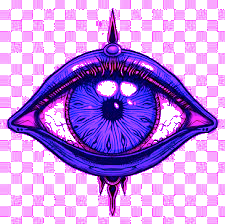
Violet is the color of the third eye chakra — of heightened perception, spiritual vision, and the boundary between the seen and unseen. The purple evil eye is for those who seek to see beyond the veil.
- Meaning
- Mysticism, imagination, the power of transformation
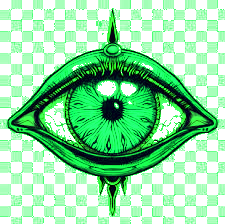
Green is the color of the Saints' table — of fresh herbs, new growth, and the fertile crescent that nourished the first civilizations. The green evil eye represents hope, renewal, and the generosity of the earth.
- Meaning
- Luck, health, abundance and natural prosperity
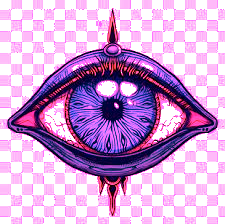
Rose and pink evil eyes are associated with love, compassion, and the protective energy of the divine feminine. In Persian tradition, the rose is the most sacred of flowers — the symbol of the beloved and the mystic.
- Meaning
- Love, friendship, protection of relationships
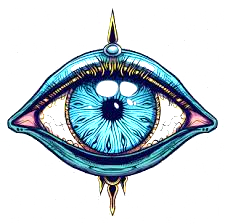
Silver is the color of the moon, of mirrors, of truth and reflection. A silver evil eye sees clearly without distortion. In ancient Anatolia, silver amulets were the primary form of protection against the evil gaze.
- Meaning
- Clarity, truth, the reflection of illusion back on itself
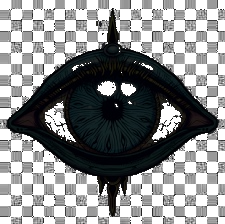
Black obsidian was the first mirror — used by the ancient peoples of Anatolia, Persia, and Mesopotamia. The obsidian eye absorbs negative energy rather than deflecting it. It holds what it catches. Powerful, silent, absolute.
- Meaning
- Protection through absorption, the void between worlds
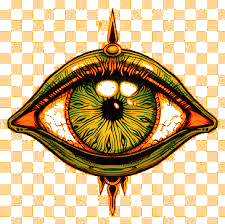
Amber is fossilized time — the preserved light of ancient suns. The amber eye carries the wisdom of the old world, the accumulated protection of a thousand generations. It is worn by those who carry history within them.
- Meaning
- Ancient wisdom, longevity, the protection of memory
The Nazar — The Traditional Evil Eye
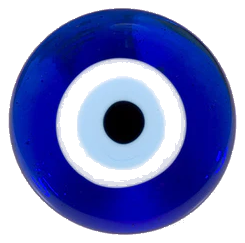
The nazar boncugu — the blue glass evil eye bead — is perhaps the most widely recognized protective amulet in the world. Made from cobalt blue glass with concentric rings of white, light blue, and dark blue, it mimics an eye to deflect the gaze of envy. Found hanging in homes, pinned to babies' clothing, attached to car mirrors, and dangling from jewelry across Türkiye, Greece, Cyprus, Lebanon, Egypt, and the wider Mediterranean and Middle Eastern world.
- Origin
- Anatolia — over 3,000 years old
What is the Evil Eye?
The concept of the evil eye — the belief that a malevolent gaze can cause misfortune, illness, or harm — is one of the most widespread and ancient superstitions in human history. It is documented in ancient Sumerian texts, in the Greek and Roman worlds, in the Bible and the Quran, and in virtually every culture from the Mediterranean to South Asia to Latin America.
In the cultures represented at The Turquoise Table — Türkiye, Greece, Lebanon, Palestine, Syria, Iran, Armenia, Egypt, Iraq, and Israel — the evil eye is not merely superstition. It is a living cultural practice, embedded in daily life. The blue glass nazar is made by hand in Turkish glass workshops that have operated for centuries. A grandmother will pin an evil eye bead to her grandchild's clothing the day it is born. A new business hangs one above the door. A sailor fixes one to the prow of his boat.
We scatter these eyes across our walls, our pages, and our world as protection — and as a reminder that we are part of something very, very old.
Quick Reference — Color Meanings
| Eye | Name | Color | Meaning & Protection | Cultural Origin |
|---|---|---|---|---|
|
The Turquoise EyeSite emblem | Turquoise | General protection, warding envy and malice | Türkiye, Greece, Levant |
|
Cobalt VisionFate's shield | Deep Blue | Protection from fate's reversals and karmic debt | Aegean, Türkiye |
|
Golden All-SeeingDivine light | Gold | Wisdom, power, illuminated consciousness | Egypt, Byzantium, Islam |
|
The Crimson EyeSinners' eye | Red | Courage, defiance, protection through strength | Anatolia, Persia |
|
Violet SightThird eye | Purple | Mystical vision, spiritual transformation | Sufi mysticism, Persia |
|
Emerald EyeSaints' eye | Green | Luck, health, abundance and growth | Levant, Fertile Crescent |
|
Rose OracleLove's shield | Rose / Pink | Love, compassion, protection of relationships | Persia, Anatolia |
|
Silver EyeMirror of truth | Silver | Clarity, truth, reflection of illusion | Ancient Anatolia |
|
The Obsidian EyeThe void | Black | Absorbs negative energy, guards the shadow | Mesopotamia, Anatolia |
|
Amber Eye of FateAncient wisdom | Amber / Orange | Longevity, ancestral wisdom, protection of memory | Silk Road, Persia, Iraq |
|
The Blue NazarNazar Boncugu | Cobalt Blue | Universal protection — the original evil eye amulet | Türkiye, Greece, all Levant |